


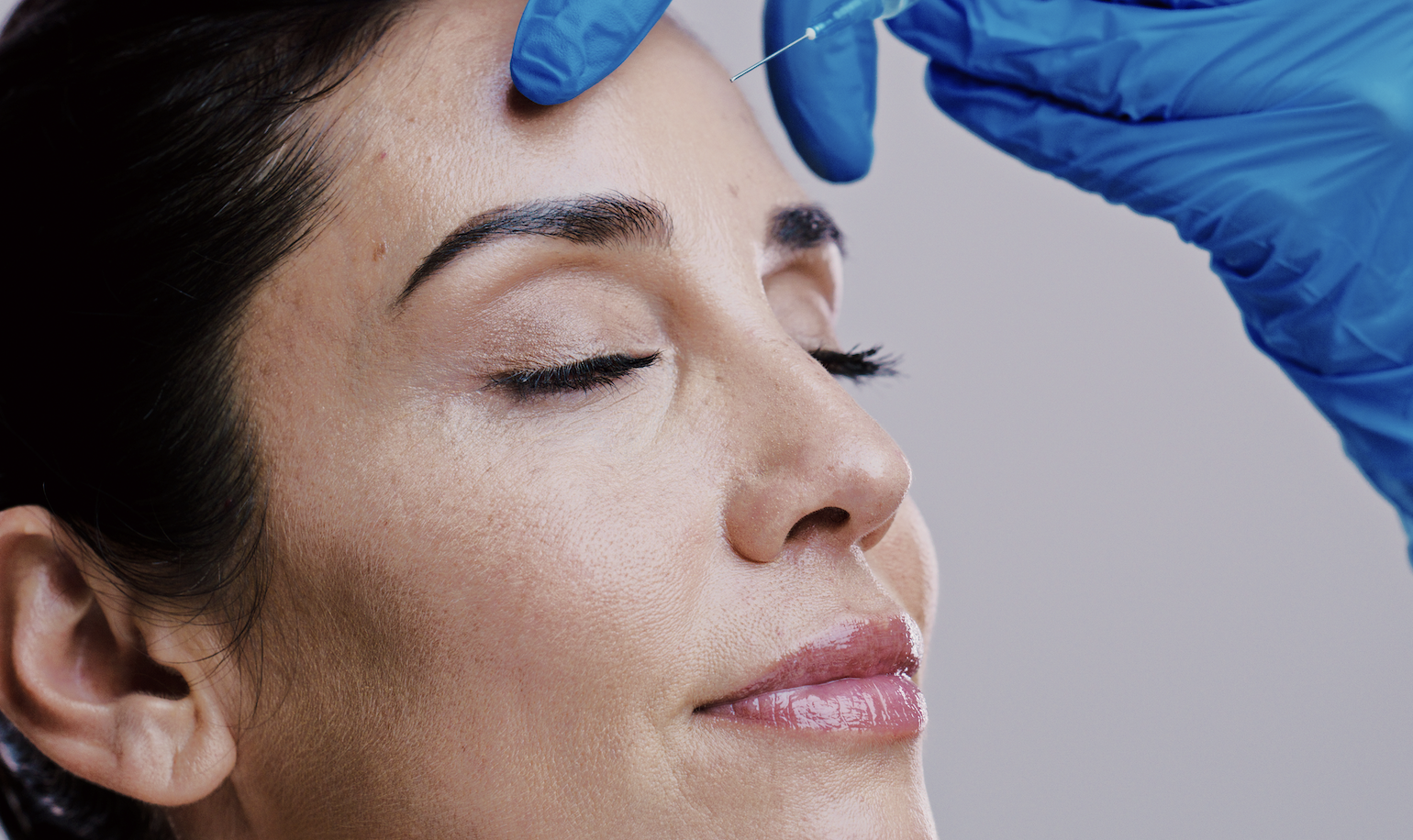
I’m going to tell you something that nobody warned me about when I turned 50: everything about my skin changed seemingly overnight. Not gradually, not subtly, but like someone flipped a switch. One day I had the face I’d known for decades, and the next, I was staring at someone I didn’t quite recognize. The texture was different. The tone was uneven in new places. Things that had been firm were suddenly soft. And don’t even get me started on what happened to my neck.
At Raise The Bar Med Spa in Gilbert, we see women every day who are navigating this transition, and they all say some version of the same thing: “Nobody prepared me for this.” So let’s have the conversation nobody else is having about what really happens to your skin after 50 and what you can actually do about it.
First, let’s talk about menopause, because that’s the elephant in the room. The estrogen cliff you fall off doesn’t just give you hot flashes and mood swings. Estrogen is crucial for collagen production, skin thickness, moisture retention, and wound healing. When it drops, your skin literally becomes a different organ. It’s thinner, drier, more fragile, and less elastic. This isn’t gradual aging anymore. This is structural change happening at the cellular level.
The dryness is probably the first thing you’ll notice. Not just regular dry skin that moisturizer can fix, but a deep, cellular dehydration that makes your skin feel like paper. You might slather on the richest cream you can find and still feel dry an hour later. This is because your skin has lost much of its ability to hold onto moisture. The lipid barrier that kept hydration in and irritants out is compromised. Your sebaceous glands, which used to produce oil that kept your skin supple, have significantly decreased production.
Then there’s the texture change that nobody talks about. Crepey skin isn’t just for your grandmother anymore. It might start on your chest, where years of sun exposure meet hormonal changes. You wake up one morning and notice that the skin there looks like crepe paper, thin and wrinkled in a way that no amount of moisturizer seems to help. Or on your arms, where the skin seems to thin overnight. Your face develops a different texture too, not quite rough but not smooth either. It’s like the overall quality downgraded while you weren’t paying attention.
The pigmentation issues after 50 are particularly frustrating. Those cute freckles from your youth? They’ve morphed into age spots that seem to multiply monthly. You might develop melasma for the first time in your life, those brown patches across your cheeks and forehead that make you look like you’re always dirty. And new dark patches appear in places you didn’t know could get hyperpigmentation, like your chest, hands, and even your shins. Your skin tone that used to be relatively even now looks like a patchwork quilt in different lighting.
Sagging becomes impossible to ignore after 50. This isn’t just a little softness around the jawline. We’re talking jowls that seem to appear overnight, making you understand why your mother always hated her profile photos. Your neck develops those horizontal lines that makeup can’t hide and vertical bands that make you look angry even when you’re not. Your eyelids might hood in a way that makes you look perpetually tired, and no eye cream in the world is going to lift them back up.


View comments
+ Leave a comment